
Delhi · Agra · Jaipur
Two principal movements
Roadapprox. 3.5 hrs
Delhi Agra
A private expressway transfer supports Agra sightseeing.
Roadvia Fatehpur Sikri and Abhaneri
Agra Jaipur
The road day becomes a historical passage.
Himalayan India Tours · Private Dossier
Shimla · Dharamshala · Amritsar
From imperial India to the Himalayan foothills, Tibetan Dharamshala and the luminous Golden Temple of Amritsar—a broad North India journey shaped by history, mountains and living faith.
The journey begins with the Golden Triangle, then changes scale in Chandigarh and climbs by heritage railway to Shimla. Dharamshala introduces Tibetan culture beneath the Dhauladhar range, while Amritsar closes the route through Sikh devotion, community service and the powerful visual presence of the Golden Temple.
Mountain transport is treated conservatively. Flights and hill services can be weather-or schedule-sensitive, so every sector is confirmed around actual dates and a robust road alternative is designed in advance.
Two principal movements
A private expressway transfer supports Agra sightseeing.
The road day becomes a historical passage.
Two principal movements
The most practical schedule is selected when the journey is confirmed.
The railway provides a slow, scenic entry into the hills.
Two principal movements
A robust road alternative is prepared from the start.
The descent to Punjab creates a clear cultural transition.
One principal movement
A final Delhi overnight protects departure.
Pacing note for Himalayan North India Tour Exact flight, rail and road timings are reconfirmed for your travel dates, with weather, permits, altitude and local conditions allowed for where relevant.
Delhi, Agra and Jaipur give the journey its imperial and architectural opening.
Enter Shimla through tunnels, bridges and forest on the UNESCO-listed narrow-gauge line.
Experience Tsuglagkhang, McLeod Ganj, mountain viewpoints and adaptable walking.
See the shrine in two different lights and understand the living tradition of langar.
Attend the border ceremony as both public theatre and a complex expression of modern history.
After baggage collection, your Delhi host meets you and confirms the practical details for the Himalayan North India journey, including luggage handling and the first departure towards the foothills and mountain roads.
Transfer privately to a well-located Delhi retreat. The drive is intentionally left unscripted, allowing Delhi to register as an arrival rather than a compressed sightseeing session.
After check-in, the remainder of the day is protected for sleep and adjustment. A gentle garden walk close to the hotel is added only when the flight timing and your energy support it.
The opening day is intentionally light, leaving you rested for Delhi before the journey rises from the plains into the Himalayan foothills.
Delhi
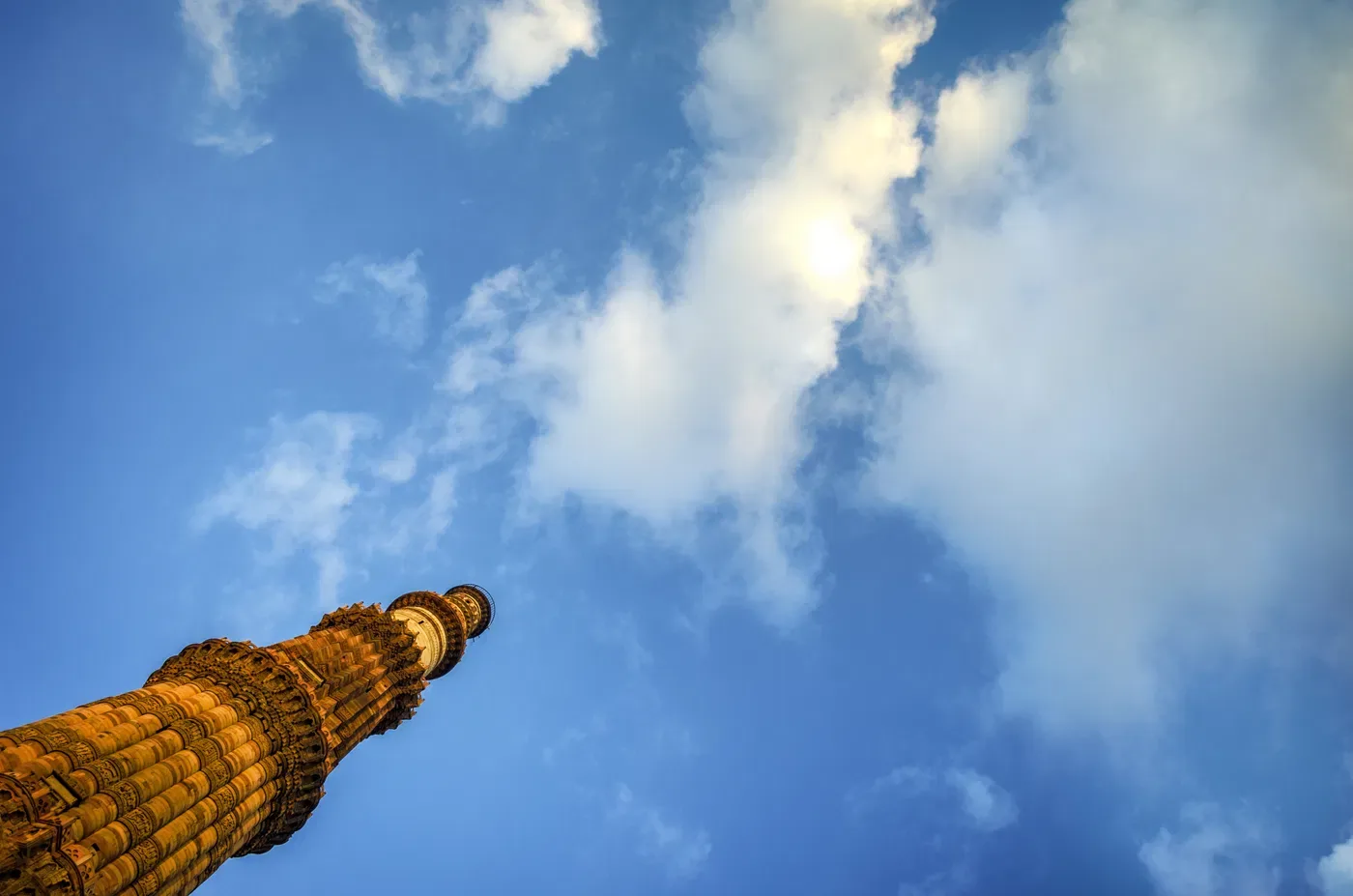
Begin at Lodhi Garden, Humayun’s Tomb and Qutub Minar, using Delhi’s gardens and dynastic architecture to introduce how the plains give way to the Himalaya.
Cross from New Delhi’s avenues into Shahjahanabad by cycle rickshaw, linking Jama Masjid, Gurudwara Sis Ganj Sahib and Chandni Chowk to how the plains give way to the Himalaya.
Return to the hotel after the old city, or use the remaining energy for a calm dinner or complete rest before the first northbound transfer; the decision is kept flexible until the day itself.
The day establishes the historical depth that gives context to the Golden Triangle and Himalayan chapters ahead.
Delhi
Agra, Jaipur, Chandigarh, Shimla and Dharamshala, leave Delhi by private car and follow the Yamuna Expressway towards Agra, with a comfort stop arranged around your preference.
Agra, Jaipur, Chandigarh, Shimla and Dharamshala, walk through the red sandstone courts and marble apartments of Agra Fort, where three generations of Mughal emperors shaped the city’s political and architectural story.
Agra, Jaipur, Chandigarh, Shimla and Dharamshala, continue to Itimad-ud-Daulah and Mehtab Bagh for a first distant view of the Taj Mahal across the river as the light softens.
Understanding the fort, family history and earlier marble craftsmanship first makes tomorrow’s Taj Mahal visit the culmination of the Golden Triangle chapter.
Agra
Enter at first light and return for breakfast.
Walk through Akbar’s abandoned capital.
Visit Chand Baori before continuing to Jaipur.
A long road day is made meaningful by two major heritage stops.
Jaipur
Explore the hilltop fortress above Maota Lake.
Continue through City Palace, Jantar Mantar, Hawa Mahal and the bazaars.
Cook and dine with a Jaipur family or keep the evening relaxed before tomorrow’s flight.
The royal city provides a vivid final contrast before the route turns north to modern Chandigarh and the hills.
Jaipur
Transfer for the best available Jaipur–Chandigarh routing, direct when operating and otherwise via Delhi.
Explore Le Corbusier’s planned city, the Rock Garden and Sukhna Lake according to arrival time.
Settle into the hotel before the rail journey into the hills.
Flight schedules are confirmed before booking; no fragile direct service is treated as guaranteed.
Chandigarh
Complete any missed city visit, then continue to Kalka.
Board the UNESCO-listed narrow-gauge railway, winding through tunnels, bridges and forested foothills.
Arrive in the former summer capital and settle into the cooler mountain air.
The slow railway is not merely transport; it is the ceremonial entrance into the Himalayas.
Shimla
Walk the Ridge, Mall Road, Christ Church and Viceregal Lodge with a local guide.
Choose a scenic outing, forest walk or gentler hotel afternoon according to season and crowd levels.
Return to the Mall for an unhurried evening.
Shimla is read through its political history, mountain setting and everyday hill-station life rather than only viewpoints.
Shimla
Use the best operating air connection when practical; otherwise travel by private road with a carefully paced route.
Settle into Dharamshala or McLeod Ganj beneath the Dhauladhar range.
Take a short monastery or market walk according to arrival time.
This sector is schedule-and weather-sensitive. The transport mode is confirmed only after dates are known.
Dharamshala
Visit the Dalai Lama Temple complex and walk the kora path with respect for active religious practice.
Continue to the cricket stadium, Kangra art museum or Norbulingka Institute according to interests.
Take in Dhauladhar views and sunset from Naddi or a quieter alternative selected around weather.
The day balances Tibetan spiritual life, regional art and the physical presence of the mountains.
Dharamshala
Walk the Tibetan market lanes, monasteries and cafés with a local guide.
Take the moderate walk towards Bhagsu waterfall or substitute an easier village and tea route when conditions require.
Return for a relaxed dinner and mountain evening.
Walking is adjusted for altitude, weather and mobility rather than treated as compulsory.
Dharamshala
Descend from the Kangra Valley and travel across the plains towards Amritsar.
Check in and rest after the five-hour drive.
Visit the shrine after dark, when the illuminated sanctum is reflected in the sacred pool and the community kitchen continues its work.
The transition from Tibetan Himalayan culture to Sikh Punjab is one of the journey’s strongest contrasts.
Amritsar
Return to the Golden Temple in daylight, visit the langar and continue to Jallianwala Bagh.
Explore heritage lanes and bazaars by foot or electric rickshaw.
Attend the border ceremony when operating and appropriate, understanding both its theatre and political context.
Devotion, service, memory and national performance sit close together in Amritsar, and the day is interpreted with sensitivity.
Amritsar
Enjoy breakfast and a final city moment.
Transfer for the Delhi flight and meet your representative on arrival.
Check in and share a farewell dinner.
The final Delhi night protects the international departure after a long north Indian journey.
Delhi
Breakfast and check-out are coordinated with the flight.
Travel privately to the airport with time for traffic and formalities.
Continue home or into another India extension.
The route ends after moving from the plains and royal cities into Himalayan railways, Tibetan culture and the luminous Golden Temple.
Departure: Delhi / onward journey
A well-restored hill hotel offers warmth, views and access without losing the character of the old summer capital.
A peaceful foothill retreat should balance monastery access with quiet rooms and a strong sense of landscape.
The city stay is selected for a calm night, reliable service and an unhurried early visit to the Golden Temple.
Hotel names and room categories for Himalayan North India Tour are confirmed after your dates, preferred character, budget and current availability are understood.
Adjust Himalayan North India Tour with an extra recovery night, a shorter road day or a gentler start where the route and your energy benefit.
For Himalayan North India Tour, choose among the stay characters described above, then set room category and service level around how you expect to use the hotel.
For Himalayan North India Tour, add monastery access, village walks, photography, gentle hikes or a slower high-altitude chapter without crowding the road days.
For Himalayan North India Tour, for October to April; March and April are especially balanced for plains and foothills, we refine sightseeing hours, transfer starts and access around heat, rain, winter conditions, crowds and local operating days.
Epic Indian Travel Concierge
Tell us which chapter of Himalayan North India Tour matters most and where you would prefer more time, privacy or specialist depth.