Story from the Road · Opening scene
Before the day becomes hot, flower sellers are already threading garlands and fresh kolam patterns mark thresholds. The temple is not waiting to open for visitors; the town has been awake around it.
Follow a cultural sequence
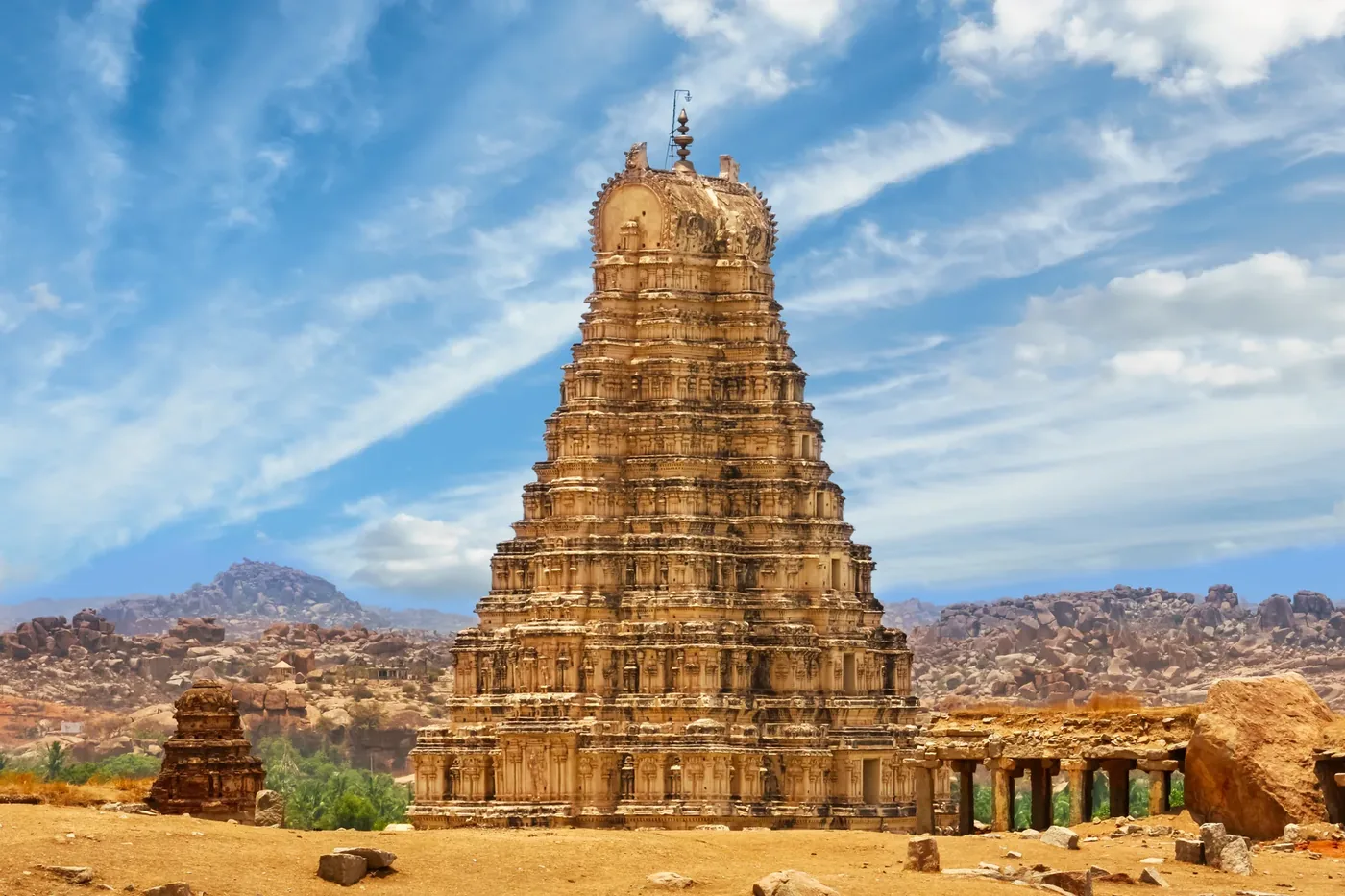
A route may begin with the coastal stonework of Mahabalipuram, continue through Kanchipuram’s temple traditions and then move into the Chola heartland around Thanjavur. Madurai introduces a different urban intensity, with the Meenakshi temple woven into markets and daily movement.
The sequence matters because it allows the traveller to see changes in scale, dynasty, material and ritual. A guide with knowledge of art history and religious practice can explain the architecture without reducing the visit to dates and measurements.
Visit at the right hour
Temples change through the day. Early morning can be cooler and more devotional; evening may bring lamps, music and larger local gatherings. Access to inner areas can differ by temple and by the visitor’s faith, and this should be explained honestly before arrival.
Dress, footwear, photography and behaviour should follow local requirements. The point is not to secure special treatment but to help the guest understand how to visit respectfully.
The most important detail may not be carved in stone, but carried through the gate each morning.
Make room for the towns themselves
Bronze casting, weaving, music, flower markets and regional food give the temple landscape its wider context. In Chettinad, domestic architecture and cuisine create a valuable contrast. Pondicherry or the coast can provide a slower chapter after several intense cultural days.
A route filled only with temples can become visually repetitive even when each site is important. One or two major visits per day, combined with craft, neighbourhoods and rest, creates better comprehension.
Choose guides for interpretation
The best guide is not simply someone who knows every name carved into a wall. The guest needs a clear narrative: how the temple was built, how it is used today and what details are worth noticing. Sensitive subjects should be explained without sensationalism.
Tamil Nadu rewards travellers who are curious about living culture. The journey should feel like a progression through ideas, music, food and architecture—not an examination in religious history.