
Wild India · Planning guide
Recommended field time3–4 nights per park
Planning priorityPermits · Naturalists · Repeated drives
Journey characterWildlife · Landscape · Patience
Why this guide matters
The right park depends on what you want the forest to reveal.
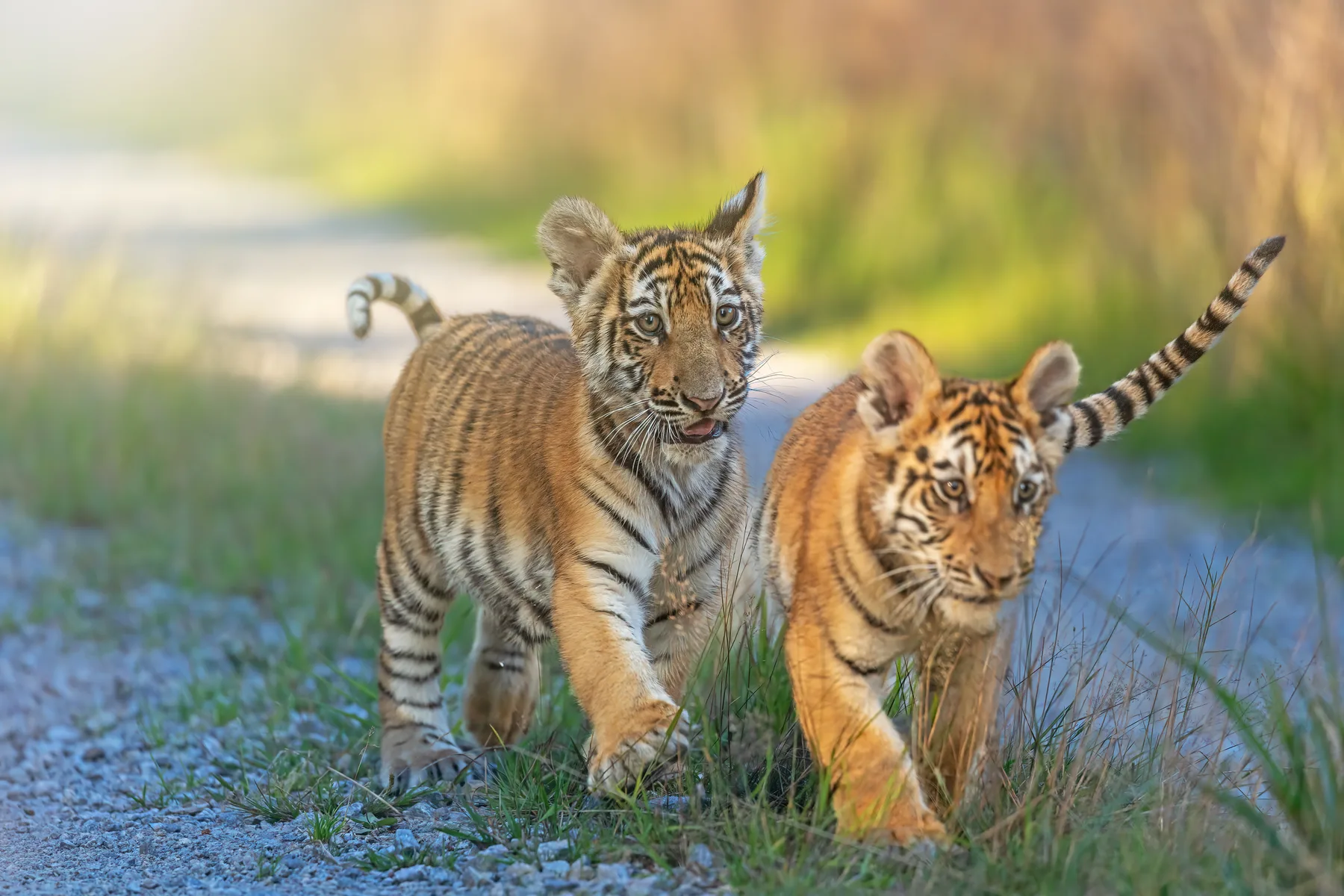
India’s wildlife reserves are not interchangeable tiger venues. Ranthambore’s lakes and ruins, Kanha’s meadows, Kaziranga’s floodplains and Gir’s dry forests create entirely different field experiences and species priorities.
The useful question is not which park is universally “best”. It is which reserve fits the season, route, number of available drives, photographic interests and the broader journey you want around it.
Planning the experience
What changes the journey.
These are the decisions we resolve before selecting individual hotels, permits, guides and timings.
Choose the wildlife priority
Tiger-focused journeys, one-horned rhinoceros, Asiatic lions, birds or broader habitat diversity call for different reserves. A species list alone should not decide the route.
Protect enough field time
A single safari is an introduction, not a wildlife journey. Repeated morning and afternoon drives allow changing light, zones, weather and animal movement to shape the experience.
Build around regulated access
Permits, vehicle categories, zones and weekly closures vary by reserve and date. The itinerary should be built around confirmed field access rather than fitted around it later.
Eight distinct wildlife landscapes
Choose by habitat and journey fit.
This is a planning comparison, not a ranking. Wildlife remains unpredictable and no reserve can guarantee a sighting.
Ranthambore
Ruins, lakes and dry forest make this the most natural first safari addition to Delhi, Agra and Jaipur.
Bandhavgarh
A compact, dramatic tiger landscape that combines well with Khajuraho and a deeper Central India circuit.
Kanha
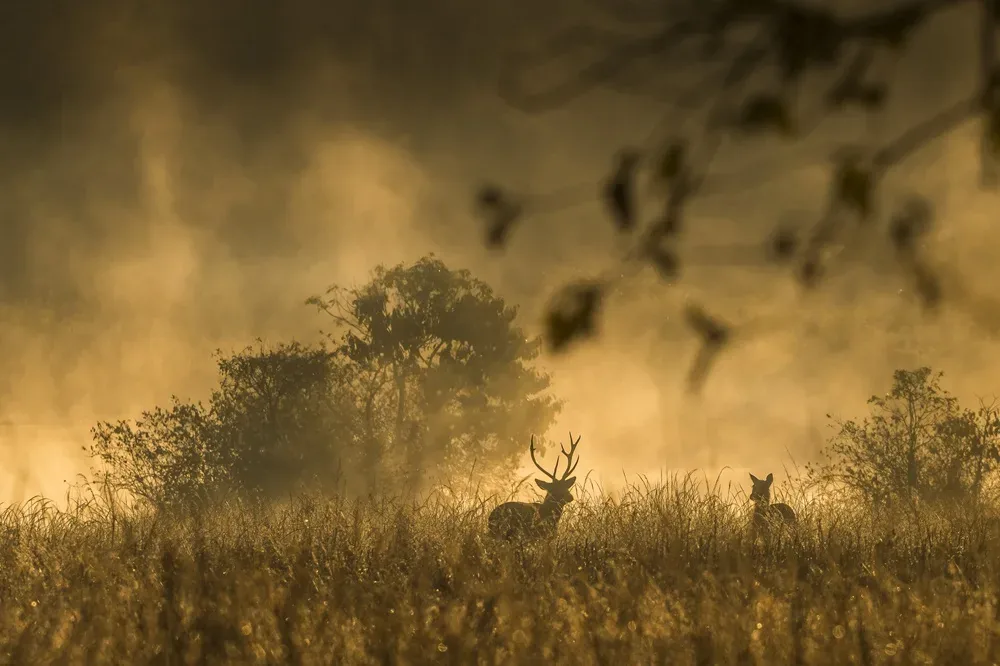
Sal forest and open meadows create a broad, scenic safari with strong natural-history depth and barasingha habitat.
Pench
Teak forest and open clearings work well with Kanha or Tadoba, with practical access through Nagpur.
Satpura
A landscape for guests interested in a broader naturalist-led experience and varied ways of reading the forest.
Tadoba
Dry forest and water systems suit a focused safari journey, often paired with Pench through the Nagpur gateway.
Kaziranga
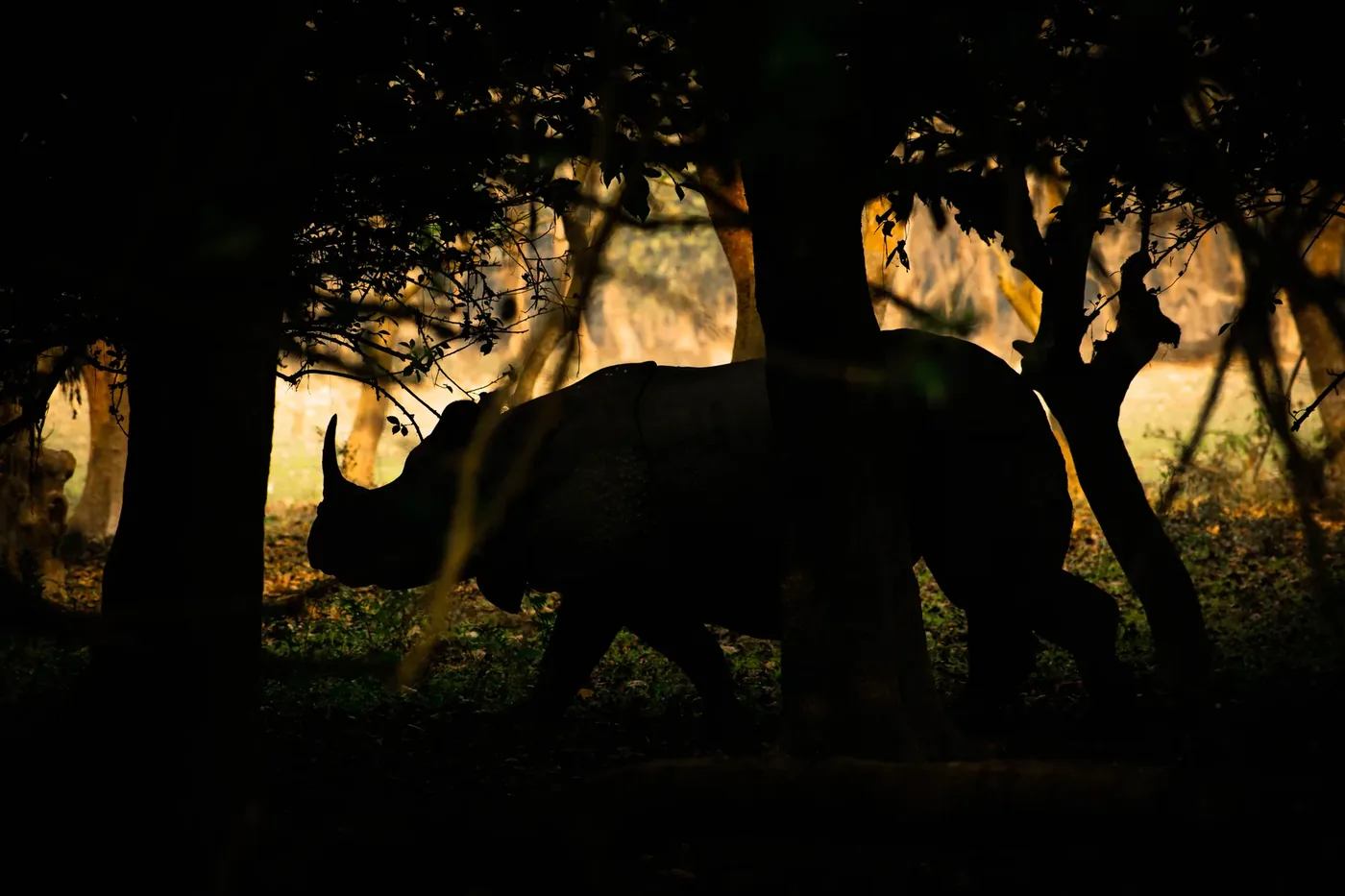
Floodplain grassland, one-horned rhinoceros and large-mammal diversity make this a different proposition from tiger country.
Gir
The last wild landscape of the Asiatic lion, best understood as part of a considered Gujarat journey.
Practical route advice
Group reserves into a coherent wildlife circuit.
Ranthambore belongs naturally with the Golden Triangle. Bandhavgarh, Kanha, Pench, Satpura and Tadoba can form Central Indian chapters through Jabalpur or Nagpur. Kaziranga and Gir are distinct regional journeys. Park calendars and access rules should always be reconfirmed for the travel dates.
Where to stay
The right base is part of the itinerary.
A lodge is part field base, part recovery space. Gate distance, naturalist quality, meal timing, vehicle coordination and quiet rooms matter more than decorative luxury.
Stay direction
Select the lodge after the safari plan—not before it.
The Collection provides examples of the character and service we value. Final recommendations depend on reserve access, gate location, room style, dates and the naturalist team available.Explore The Collection →Relevant private journeys
Journeys built around meaningful time in the field.
Each India’s national parks dossier is a planning framework, refined around your dates, preferred pace, room style and the experiences that matter most to you.
Field note · Rajendra Jharia
“I do not choose a park from a tiger statistic. I look at season, habitat, field time and the guest’s curiosity. The forest becomes rewarding before the first sighting.”
Read before you travel
Context for a more considered visit.
Our field notes show how timing, access and local context change the experience of India’s national parks, turning destination knowledge into better daily decisions.

Epic Indian Travel · New Delhi