Planning Note · Opening scene
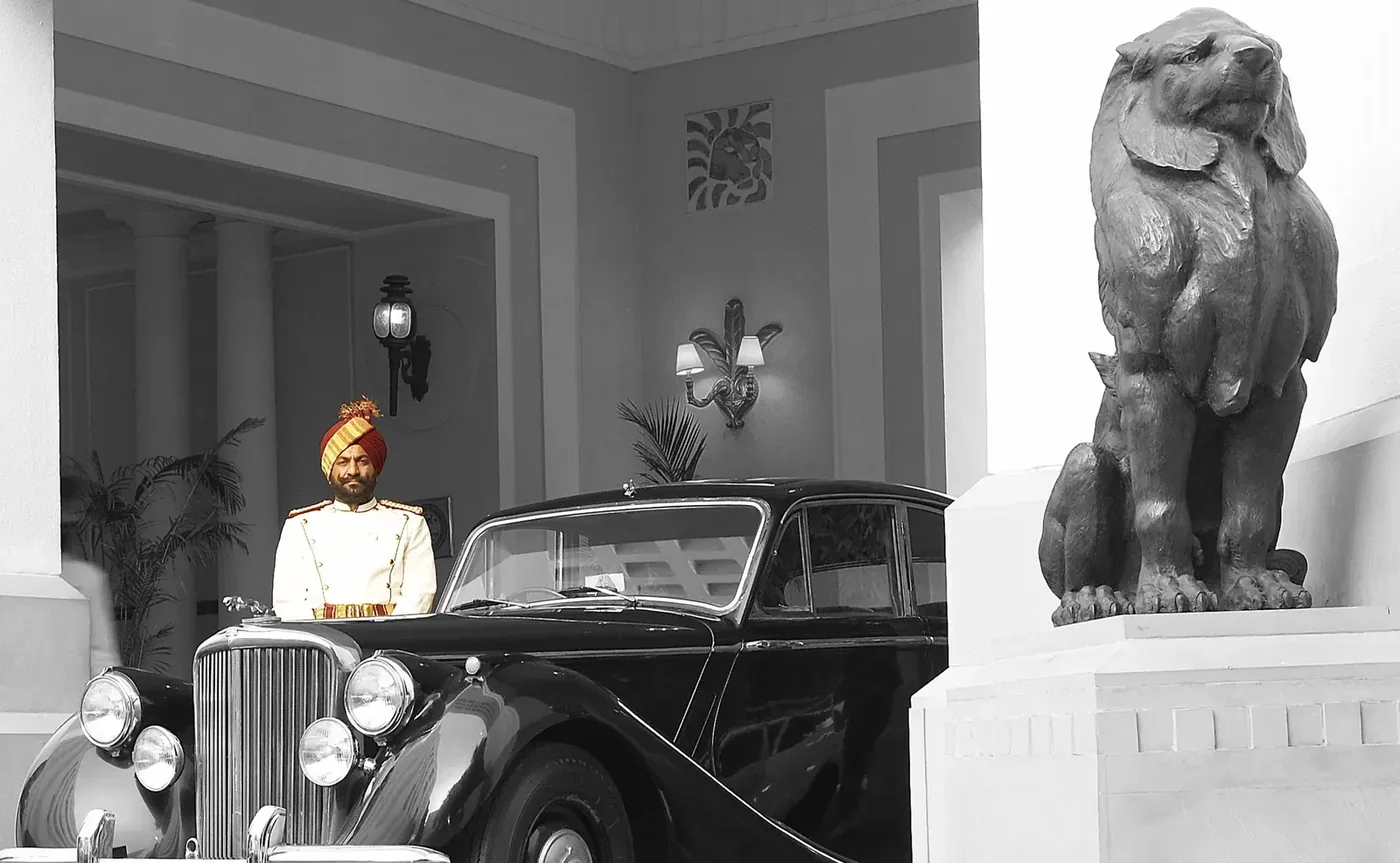
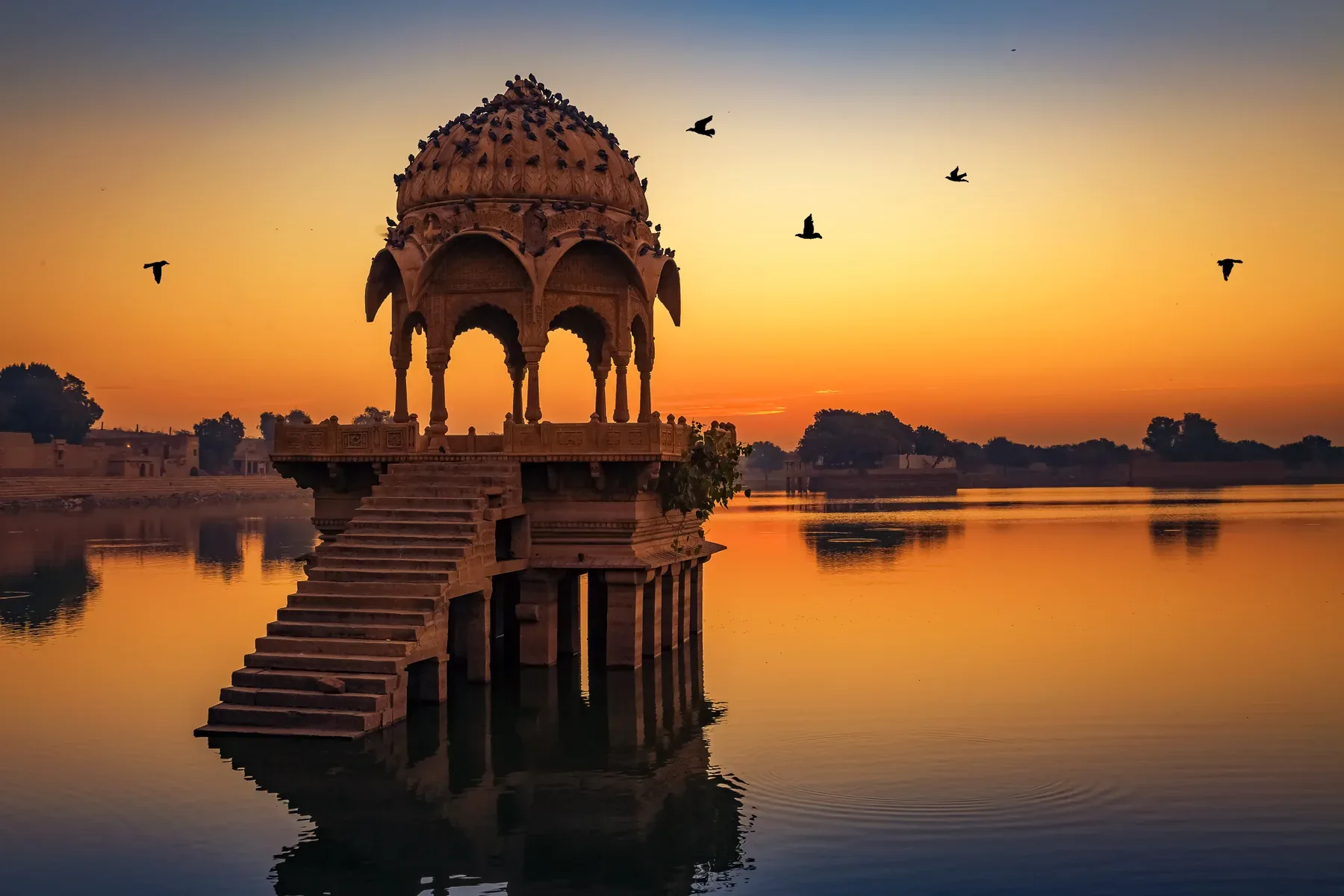
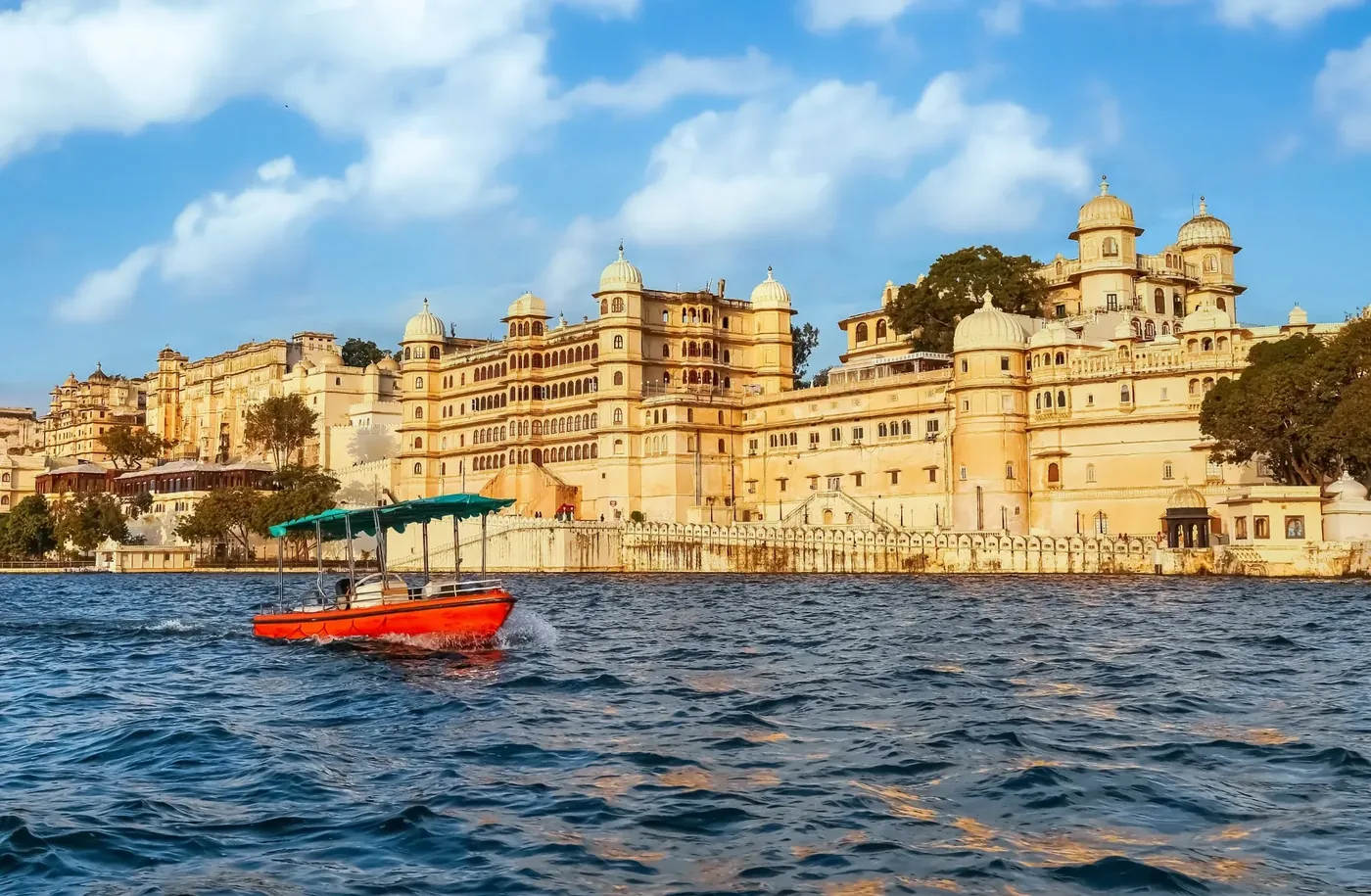
The arrival may be theatrical—a lake crossing, a carved gateway, a courtyard filled with evening light. The real decision begins after the first impression: how will this hotel shape the rhythm of the route?
Begin with the experience, not the star rating
A landmark lake palace may be the right choice for a first visit to Udaipur, while a smaller residence outside the city may suit a returning traveller seeking quiet. In Jaipur, location can determine whether the guest is close to the old city or removed into a resort setting. In Jodhpur, fort views may matter more than acreage.
The decision should begin with the guest’s priorities: architectural drama, privacy, formal service, contemporary comfort, family history, spa time or easy access to the city. A famous name is not automatically the best fit for every route.
Ask about the actual room
Heritage hotels often contain rooms of very different proportions, outlooks and levels of privacy. Two rooms within the same category can feel unlike each other because of the original building. The room’s position, stairs, bathroom layout, natural light and distance from public areas should be considered, especially for guests with mobility concerns.
A knowledgeable planner should be able to discuss more than the category label. First-hand inspection and current hotel relationships help identify which room types are worth the premium and which may not suit a particular traveller.
A landmark stay should be a chapter in the journey, not the same sentence repeated every night.
Service style must match the guest
Some palace hotels are ceremonial and formal; others feel like intimate family homes. Large properties may offer several restaurants and extensive facilities, while smaller ones rely on personal hosting. Neither model is inherently more luxurious.
The important question is consistency. Beautiful architecture cannot compensate for weak housekeeping, slow operations or a lack of privacy. Conversely, a less famous heritage property can become the most memorable stay when its team, food and atmosphere are exceptional.
Use contrast across the journey
A route made entirely of grand palaces can become visually impressive but emotionally repetitive. Rajasthan is often stronger when a landmark palace is balanced with a desert camp, a rural estate, a contemporary city hotel or a wildlife lodge.
The hotel sequence should support the journey’s rhythm. The most expensive property is not always placed where the guest spends the most time; sometimes the best investment is a quieter stay after a long drive or a hotel that allows a late start the following morning.