Story from the Road · Opening scene
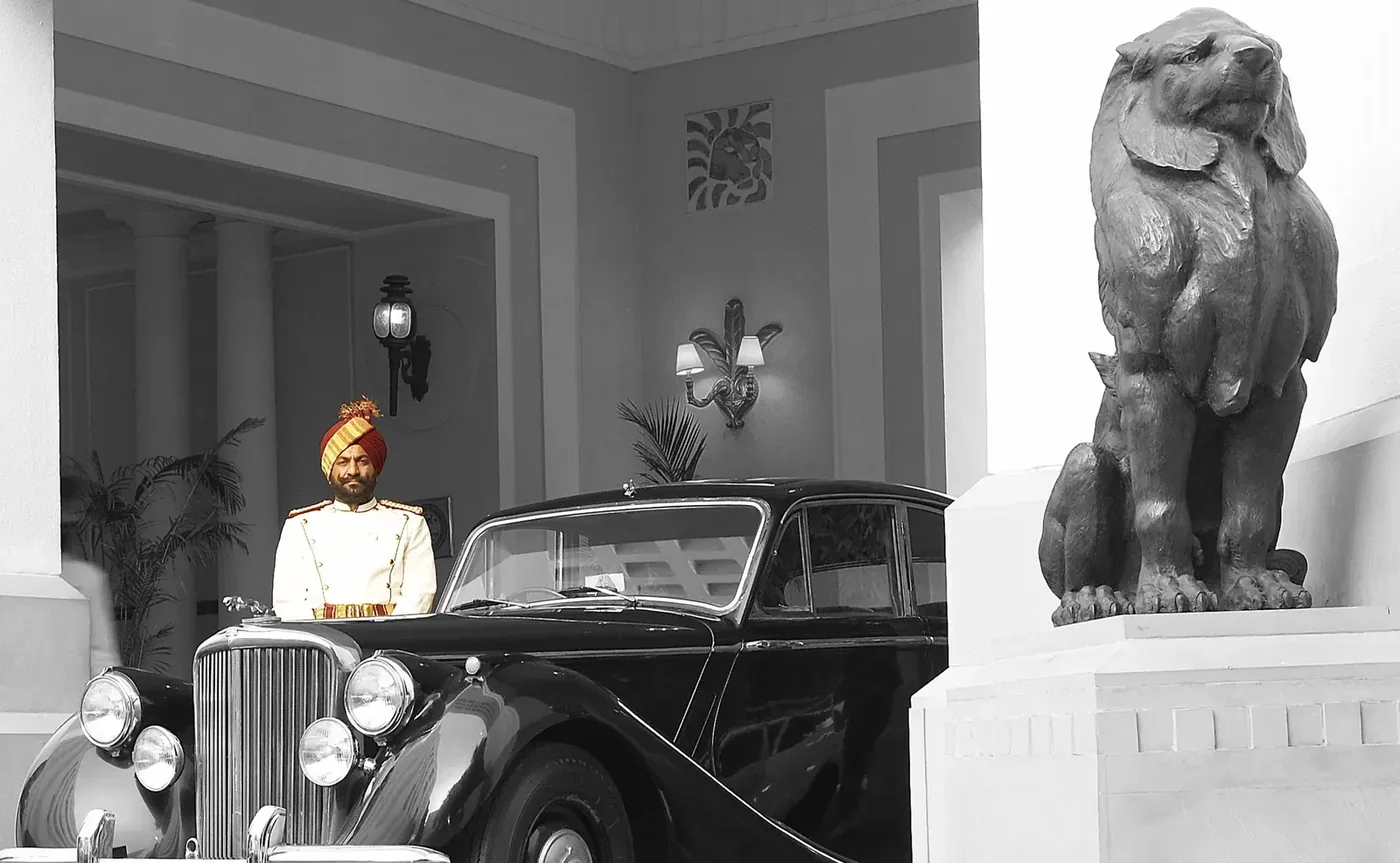
A palace door opens onto polished stone, family portraits and rooms built to stage power. Step outside, and the same history continues through bazaars, workshops, water systems and the city gathered around the walls.
Each palace city has a different character
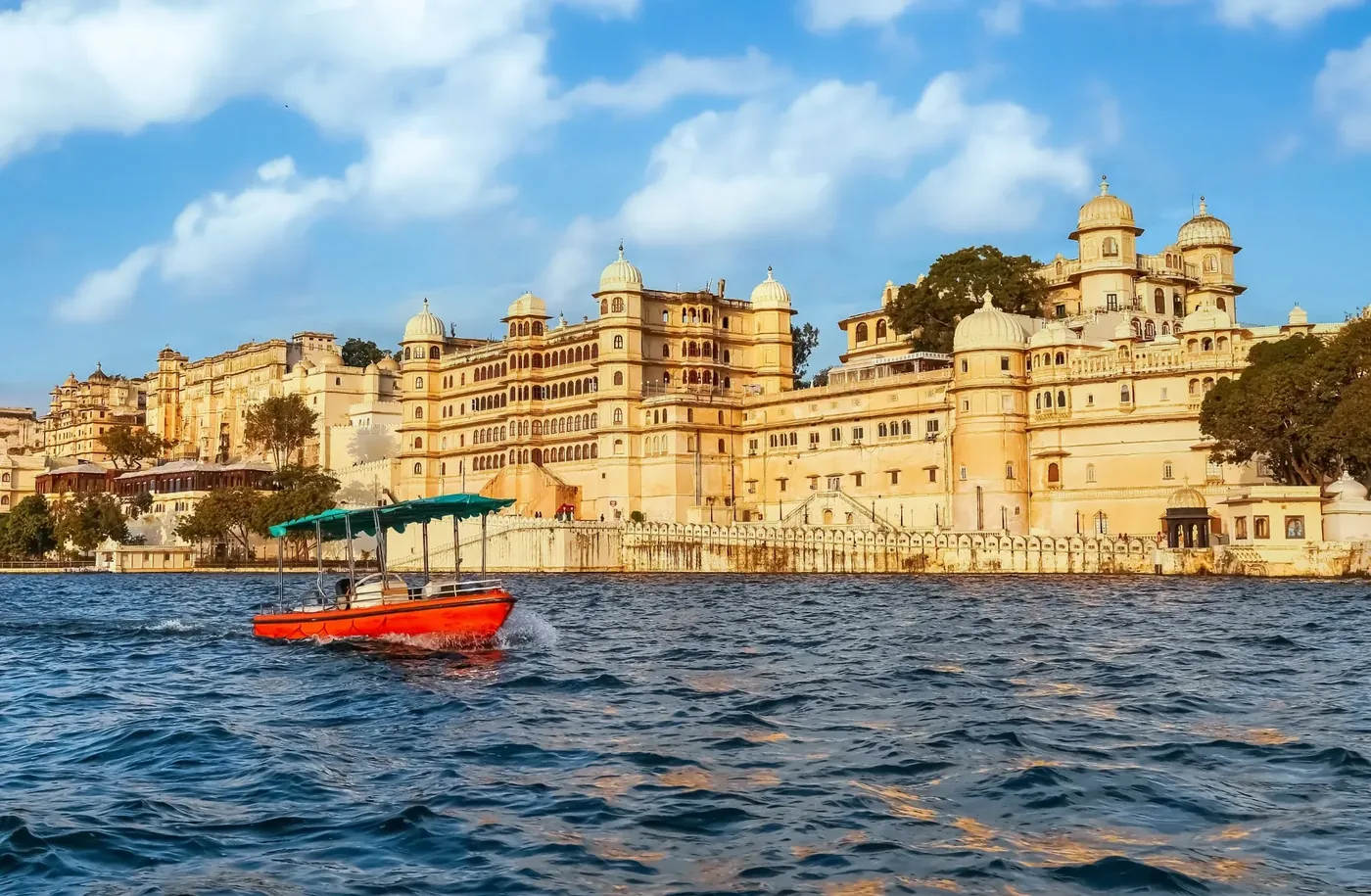
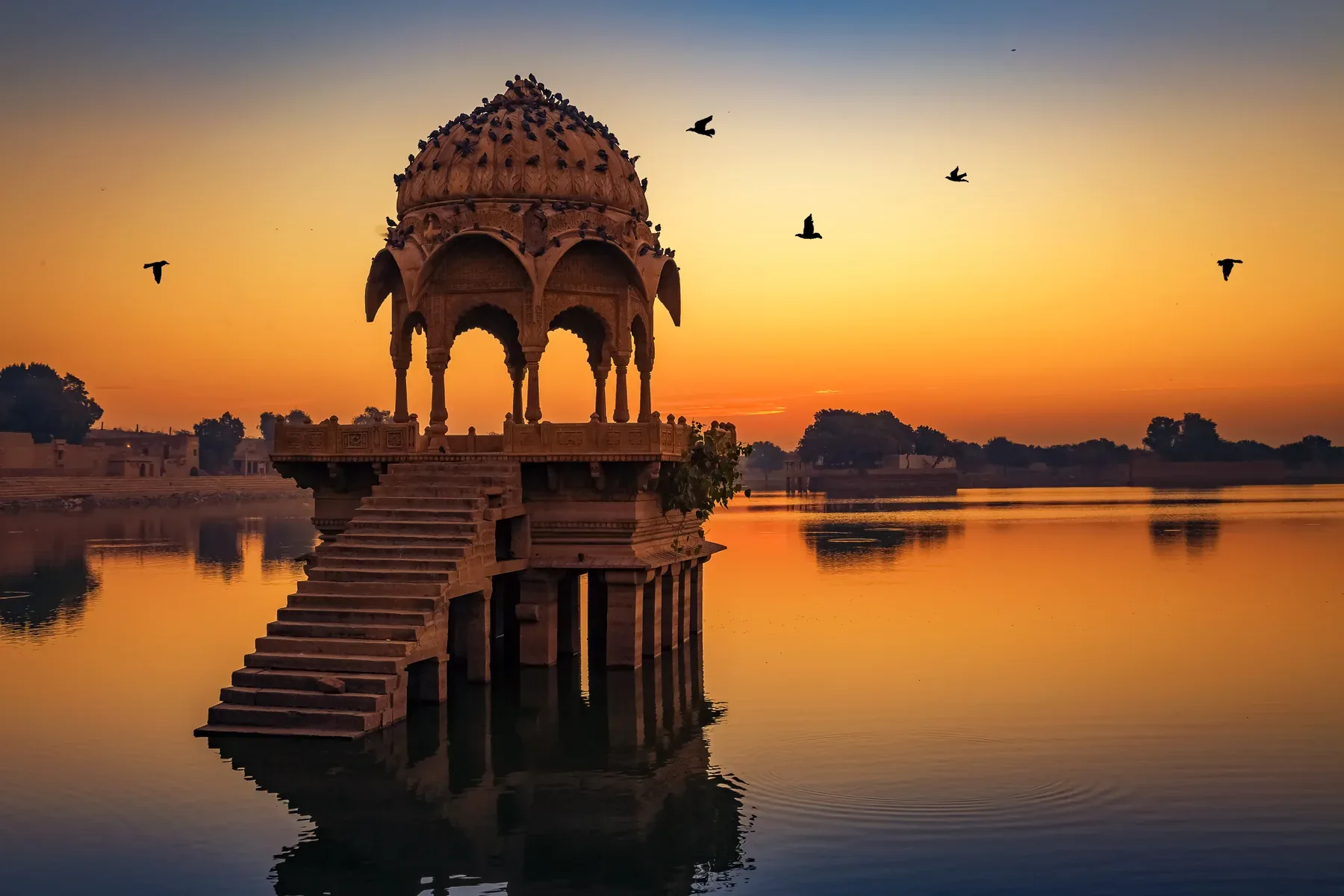
Jaipur is planned, ceremonial and closely tied to astronomy, craft and the walled city. Jodhpur is defined by Mehrangarh, the blue neighbourhoods below it and the desert routes beyond. Udaipur’s royal architecture is inseparable from its lakes. Jaisalmer developed through trade and water management at the edge of the Thar.
A route should not describe these cities simply as interchangeable “royal stops.” Their geography, materials and histories affect how the guest explores them and which hotel or guide will make the experience feel coherent.
Private access is not the same as meaningful access
A closed door, private room or hosted meal can be valuable, but exclusivity alone is not the measure of a good experience. The guest should understand why the place matters and who is sharing it. A smaller family collection with informed hosting can be more memorable than a grand venue opened without context.
Claims of privileged access should be precise and current. Palaces remain homes, institutions and working hotels, and arrangements can change around ceremonies, family events and conservation needs.
Exclusivity becomes meaningful only when someone can explain why the closed door matters.
Balance architecture with everyday life
Fort and palace visits become richer when balanced with textile workshops, local markets, stepwells, village landscapes and regional food. These are not filler activities between monuments; they explain how patronage, trade and climate shaped Rajasthan.
The strongest day may combine one major palace in the morning, a quiet lunch and a short neighbourhood or craft visit later. Trying to cover every listed monument often reduces the very sense of place that the traveller came to find.
Let the hotels extend the story
A palace stay can create continuity between sightseeing and evening, but the route benefits from contrast. Rural estates offer conversation and landscape; desert camps introduce silence; contemporary hotels can provide rest after several heritage stays.
Royal Rajasthan should feel layered, not theatrical. Careful pacing allows the guest to notice the differences between cities and understand why each dynasty built, ruled and lived as it did.