Field Story · Opening scene
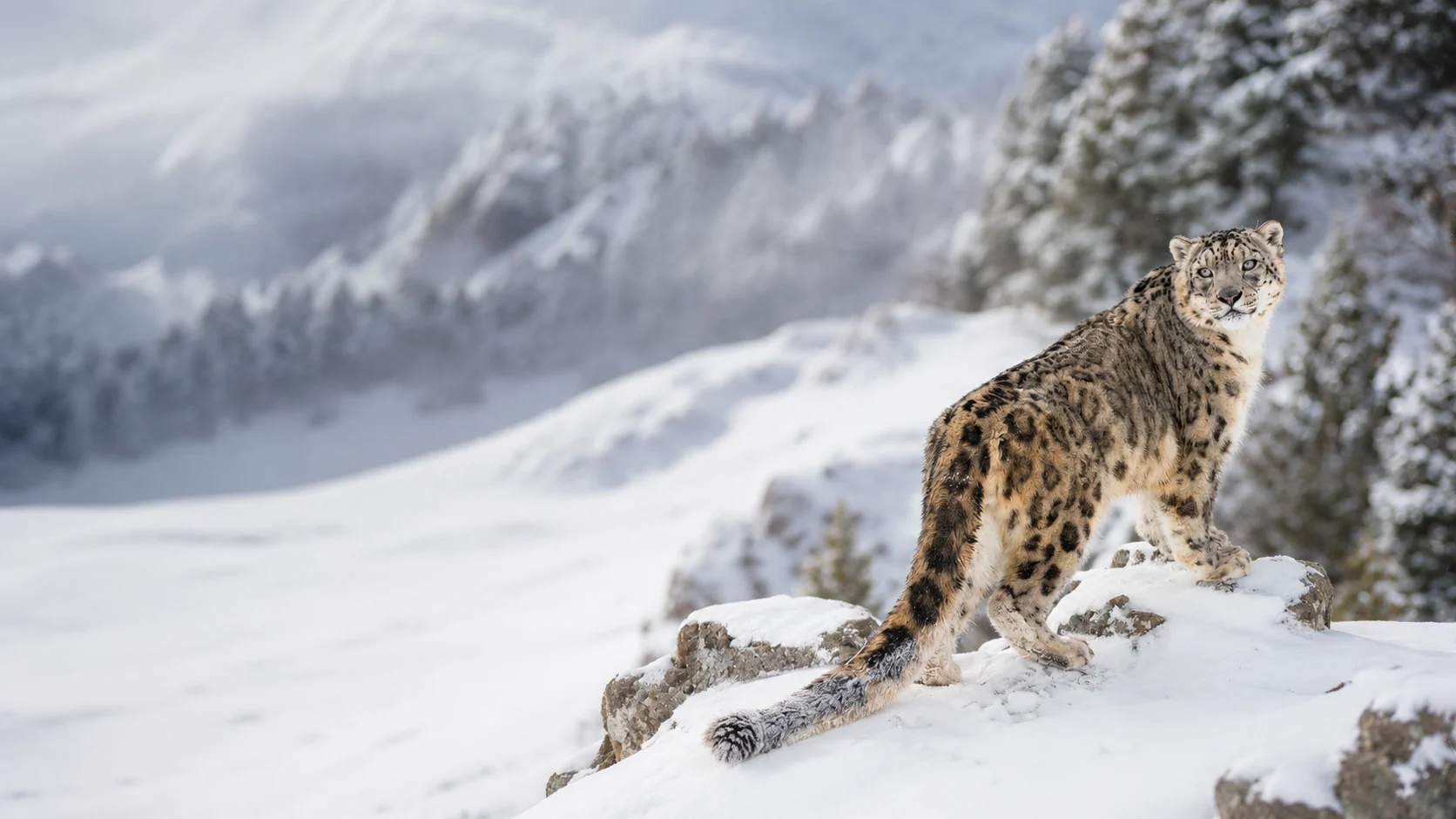
For a long time the winter slope appears empty. Then a tracker steadies the telescope, a guest leans toward the eyepiece and a shape that looked like stone begins to move.
Acclimatisation comes before ambition
The journey should begin with several quiet nights in Leh or another appropriate base, allowing the body to adjust before longer walks or extended field days. This is not empty time. Gentle local visits, rest, hydration and careful monitoring form part of the expedition design.
A rushed arrival followed by immediate movement into higher valleys increases discomfort and risk. Any guest with relevant medical concerns should seek professional advice before travel; a tour operator or guide cannot replace a doctor.
Field days are slow and exposed
Local trackers read movement across an enormous landscape: fresh tracks, blue sheep behaviour, ridgelines and known resting areas. Guests may walk on uneven ground, remain still for long periods and use spotting scopes to observe an animal at a respectful distance. Even when a leopard is located, it may appear as a small shape far across the valley.
Winter equipment needs to be expedition-appropriate rather than simply fashionable. Layering, insulated footwear, gloves that allow camera use and protection from wind are essential. Lodging can be comfortable, but the field environment remains cold and unpredictable.
The reward is not certainty. It is learning to look carefully enough that the mountain stops appearing empty.
The tracker network matters
Responsible expeditions depend on experienced local trackers, guides and community relationships. Their knowledge reduces unnecessary disturbance and helps distribute the benefits of wildlife tourism locally. Ethical teams do not bait animals, push too close or turn a sighting into a race between vehicles and guests.
The wider wildlife is part of the journey: blue sheep, ibex, foxes, wolves and winter birds may all shape the week. A guest who values only a close photograph of a snow leopard may find the experience frustrating; a guest interested in mountain ecology is more likely to find it rewarding.
Know who this journey suits
This expedition suits travellers who are physically prepared, comfortable with uncertainty and interested in long observation. It is not the right first Himalayan trip for every guest. A summer Ladakh journey offers easier access to monasteries, villages and high passes without the winter demands.
When expectations are set honestly, the expedition becomes less about “chasing” a rare animal and more about learning to read one of India’s most austere and beautiful habitats.