Planning Note · Opening scene
The vehicle stops before the light reaches the forest floor. A photographer lowers the camera rather than raising it: the angle is wrong, the background is crowded and patience will produce a better frame than urgency.
Build around the light
Early morning and late afternoon are not only the usual safari periods; they create very different colour, contrast and animal behaviour. A photography itinerary should avoid long transfers that repeatedly consume the best field hours. Rest days and two-night gaps between reserves may look slower but often produce more usable time.
The lodge should support early departures, equipment charging and flexible meals. A beautiful room far from the gate can be less useful than a well-run lodge that reduces daily transfer time.
Private vehicles create control
A private safari vehicle, where permitted and available, allows the photographer and naturalist to make decisions around angle, patience and subject choice without negotiating with unrelated guests. Vehicle type and seating should be discussed in relation to camera equipment and physical comfort.
Control does not mean pushing for position. Drivers and naturalists must follow park rules, avoid crowding and leave space for the animal. Ethical behaviour protects the subject and often produces calmer, better photographs.
The most valuable freedom is often the ability to wait without asking another guest to move on.
Choose the reserve for habitat and subjects
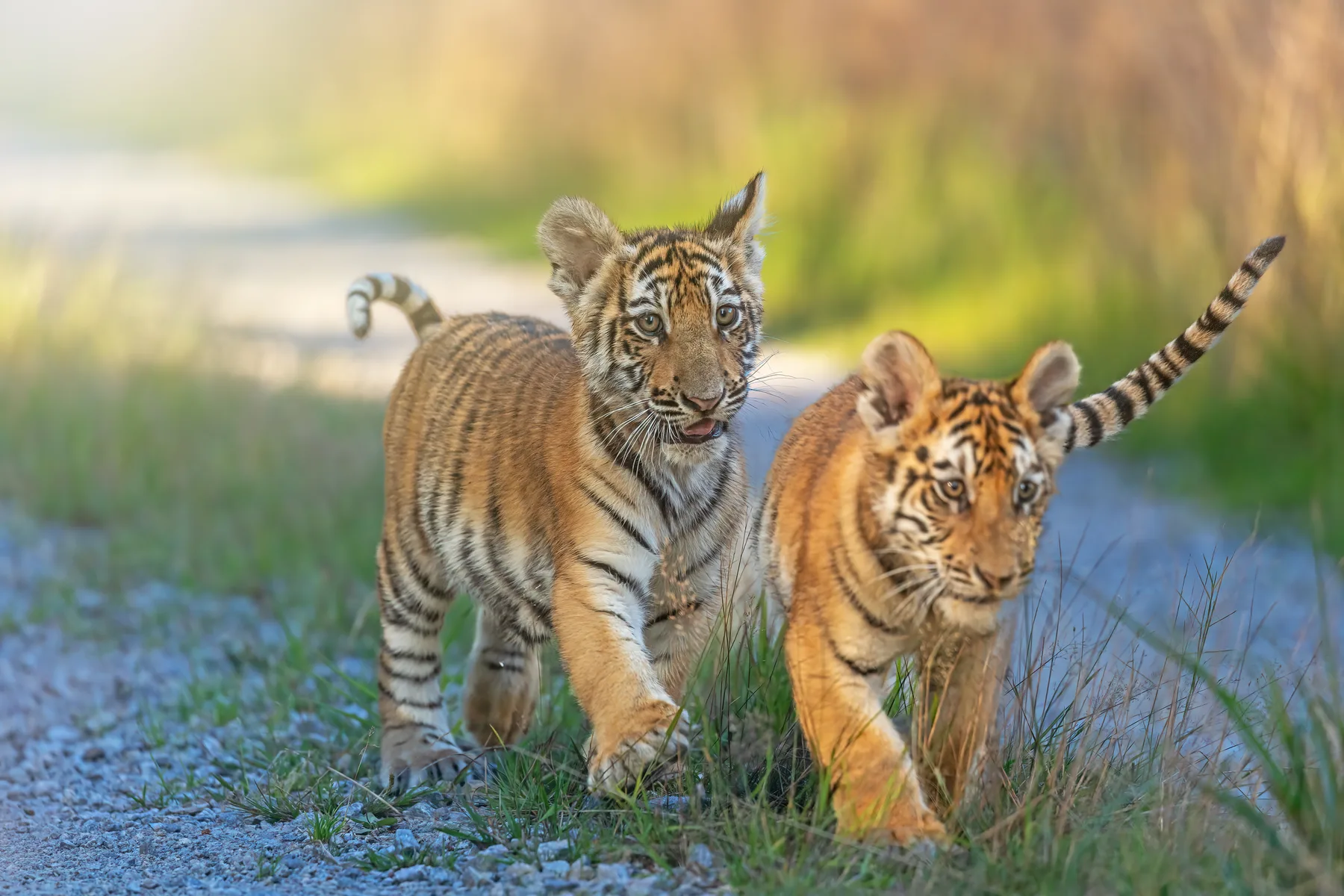
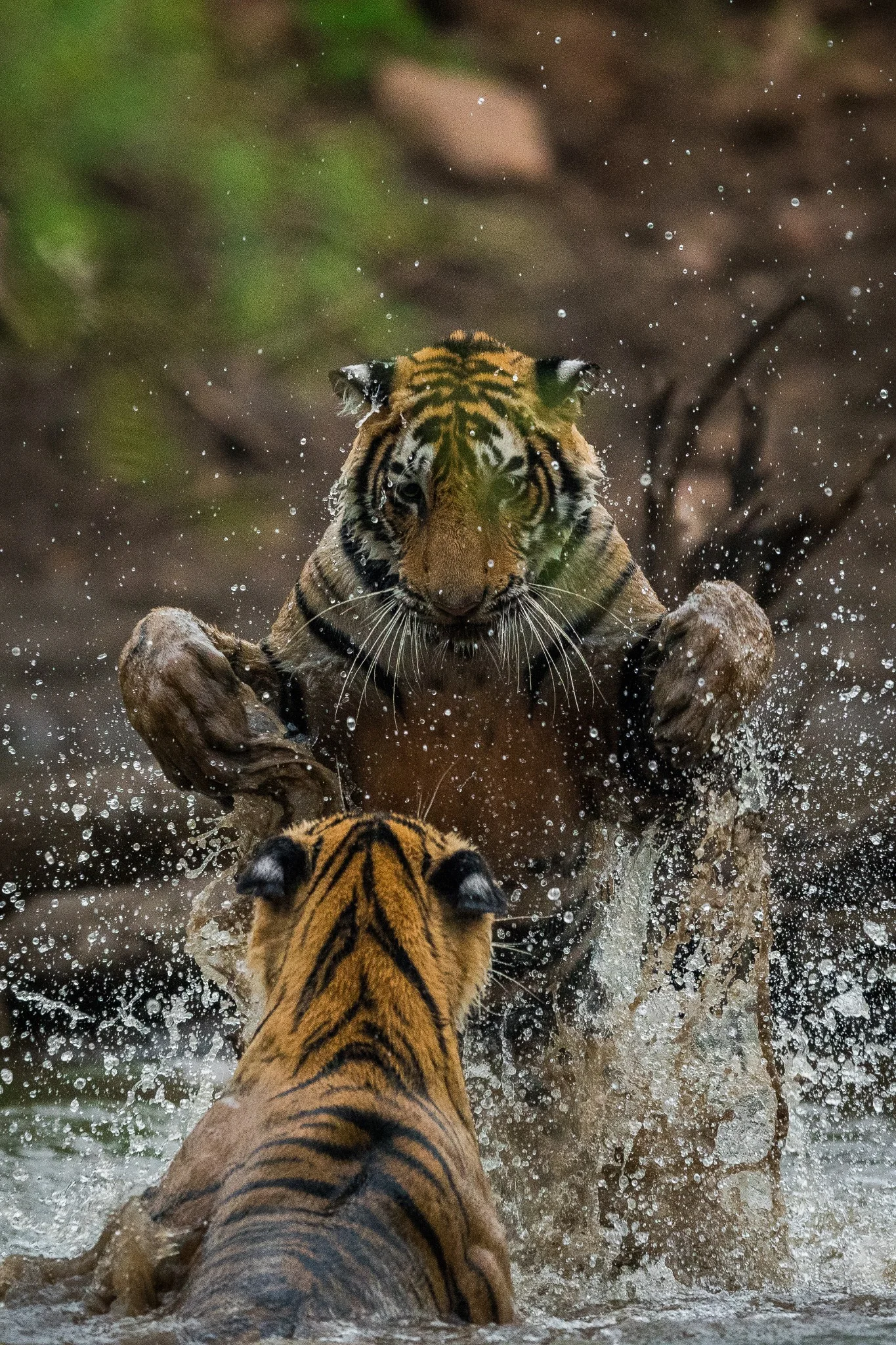
A forest with reliable tiger activity may still be difficult for clean photography because of vegetation or road position. Meadows, water, dry forest and dense sal woodland each create different backgrounds and technical challenges. The photographer should decide whether the priority is a particular species, behaviour, landscape or broader portfolio.
Backup subjects matter. Birds, deer, primates, reptiles and smaller mammals keep the field day productive when a tiger or leopard remains hidden.
Prepare the equipment and expectations
Dust protection, duplicate storage, charging, lens support and manageable bag weight should be planned before arrival. Changing lenses in an open vehicle may be impractical. Guests carrying professional equipment should discuss transport and domestic-flight allowances during itinerary design.
No operator can promise a specific animal, pose or distance. The value of an expert field team is in reading habitat, positioning responsibly and helping the photographer make the most of whatever the forest provides.